
Hormones play a vital role in a woman’s overall health, influencing everything from mood and energy levels to metabolism, fertility, and sleep. When these hormones fall out of balance, it can lead to a wide range of physical and emotional symptoms. Hormone imbalance is common among women of all ages and can be caused by several factors, making comprehensive health insurance essential for accessing proper diagnosis and treatment.
Below are five key reasons why women can suffer from hormone imbalance and what it means for their health.

1. Stress and Lifestyle Pressures
Chronic stress is one of the biggest contributors to hormone imbalance. When a woman experiences ongoing stress, the body produces excess cortisol (the stress hormone). High cortisol levels can interfere with the balance of estrogen, progesterone, and other important hormones.
Common effects include:
- Fatigue and low energy
- Weight gain, especially around the abdomen
- Irregular menstrual cycles
- Anxiety and mood swings
Busy schedules, lack of rest, poor sleep, and emotional pressure can all disrupt the body’s natural hormone rhythm.
2. Poor Diet and Nutritional Deficiencies
What you eat directly affects hormone production. Diets high in sugar, processed foods, and unhealthy fats can disrupt insulin levels and increase inflammation, which impacts hormone balance.
At the same time, deficiencies in key nutrients such as iron, vitamin D, magnesium, and healthy fats can affect the body’s ability to produce and regulate hormones properly.
Poor nutrition may lead to:
- PMS symptoms
- Low energy
- Hair loss
- Skin issues
A balanced, nutrient-rich diet supports healthier hormone function.
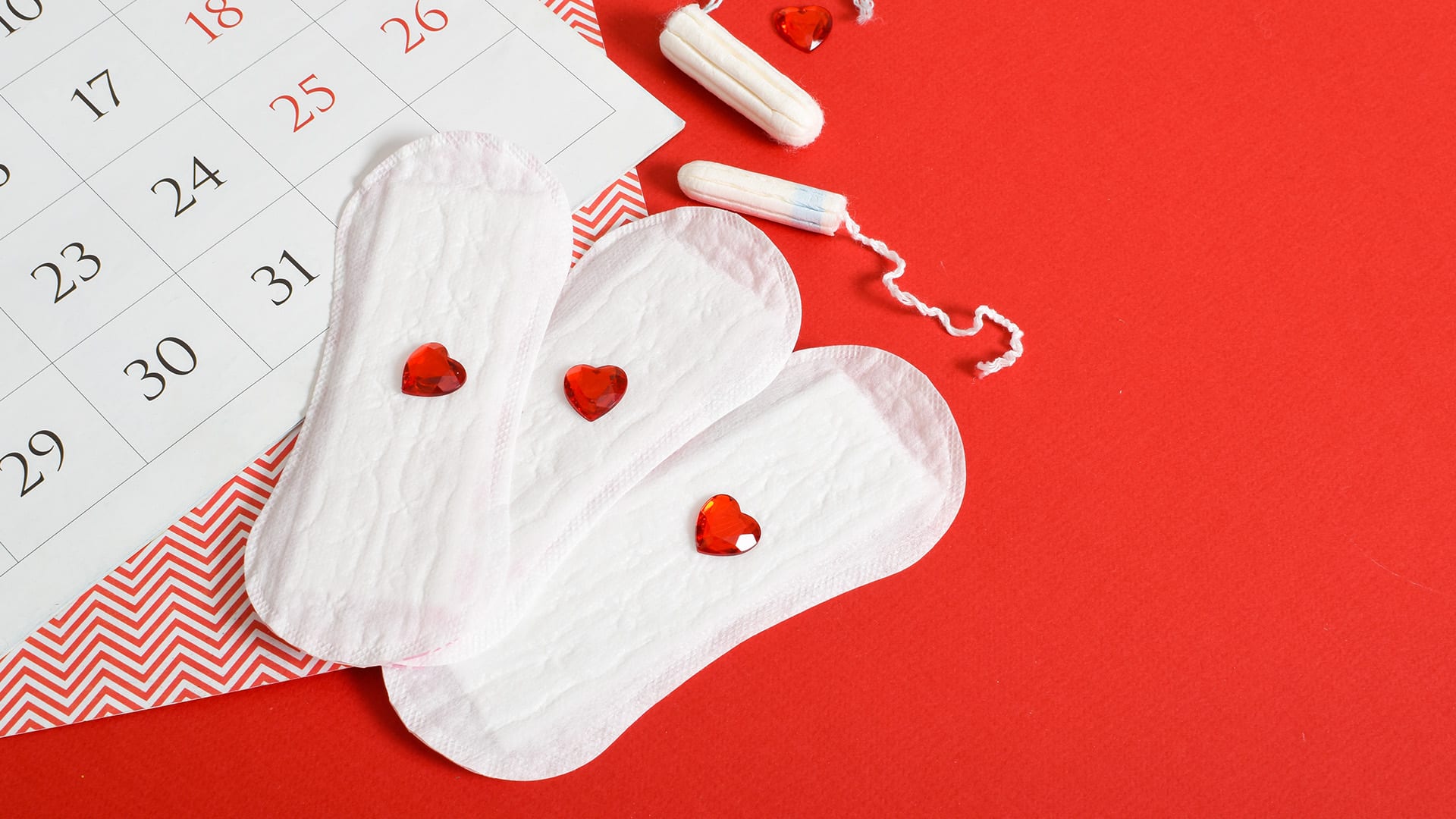
3. Menstrual Cycle, Pregnancy, and Menopause
Natural hormonal changes occur throughout a woman’s life. Puberty, pregnancy, breastfeeding, and menopause all involve major hormone shifts.
During these stages, estrogen and progesterone levels can fluctuate significantly, sometimes leading to temporary or long-term imbalances.
Common symptoms include:
- Irregular periods
- Hot flashes
- Mood changes
- Sleep problems
These changes are normal, but symptoms can become severe if hormones are not properly supported.
4. Medical Conditions and Hormonal Disorders
Certain medical conditions can directly affect hormone levels. For example:
- Polycystic Ovary Syndrome (PCOS)
- Thyroid disorders
- Diabetes
- Endometriosis
These conditions can interfere with estrogen, progesterone, insulin, and thyroid hormones, leading to symptoms such as weight changes, acne, infertility, fatigue, and menstrual irregularities.
Early diagnosis and proper treatment are important for managing hormone-related health issues.

5. Environmental Toxins and Chemicals
Everyday exposure to chemicals in plastics, cosmetics, cleaning products, and pesticides can disrupt the endocrine system. These “endocrine disruptors” mimic or interfere with natural hormones in the body.
Long-term exposure may contribute to:
- Fertility problems
- Irregular cycles
- Breast tenderness
- Hormone-related cancers
Reducing chemical exposure by choosing natural products and safer food containers can help protect hormonal health.

Final Thoughts
Hormone imbalance in women is influenced by a combination of lifestyle, health, and environmental factors. While some hormonal changes are natural, ongoing symptoms should not be ignored. Proper nutrition, stress management, regular exercise, and medical guidance can make a significant difference in restoring balance.
If you experience persistent symptoms such as fatigue, mood swings, or irregular periods, it’s important to speak with a healthcare professional for evaluation and support.